

Pantanal of Mato Grosso
Siá Mariana Bay
A Natural World Heritage Site and Biosphere Reserve: one of the largest wetlands on the planet, in the Pantanal of Barão de Melgaço.
Pantanal · Mato Grosso · Brazil
Experience the essence of the Pantanal and all its magic: a biome recognized worldwide as a World Heritage Site and Biosphere Reserve.
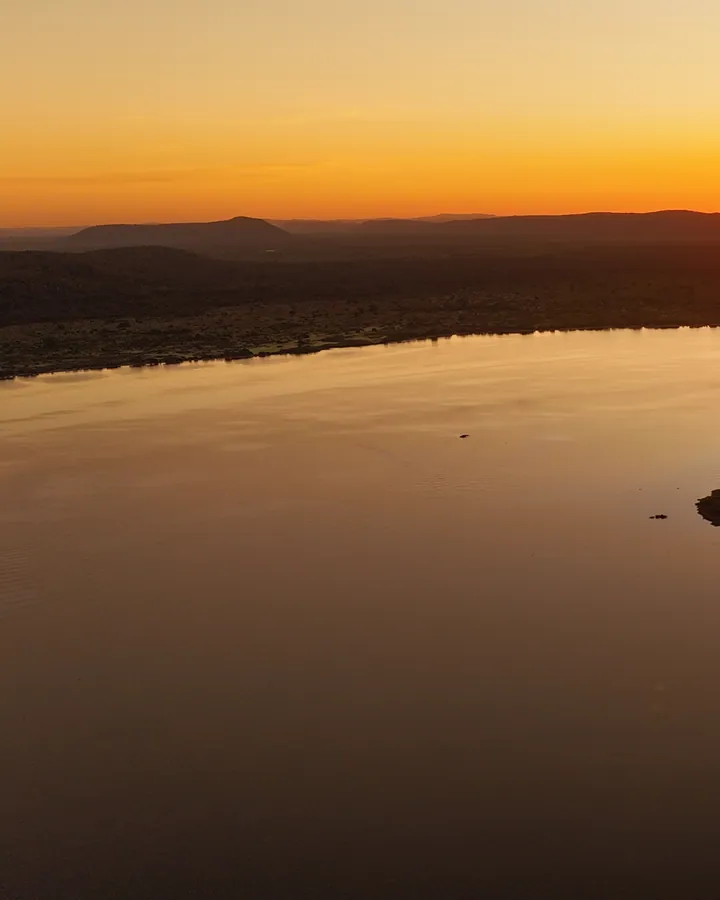
The bay
One of Mato Grosso's most beautiful postcard views
Located in Barão de Melgaço, Siá Mariana Bay captivates with the colors of its waters, its history and its beauty. Its wildlife is typical of the Pantanal of Mato Grosso, and conditions are ideal for sport fishing and contemplative travel.
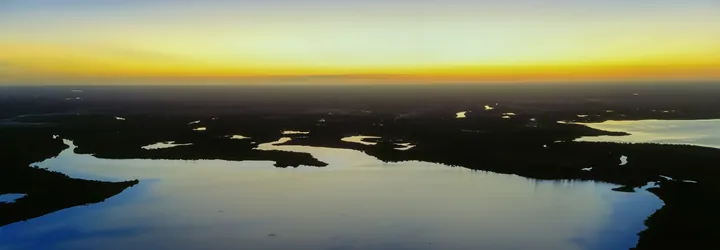
In the rainy season, the area becomes part of one of the largest flooded expanses in the Pantanal, with some 450 km² of water surface, amid flora, fauna, culture and hill ranges that make this place the setting for magical, transformative experiences.
- 450 km²of water surface in the high-water season
- Séc. XVIdisputes between the Portuguese and Spanish over the region
- 4water seasons each year
Northern Pantanal
The largest floodplain on Earth
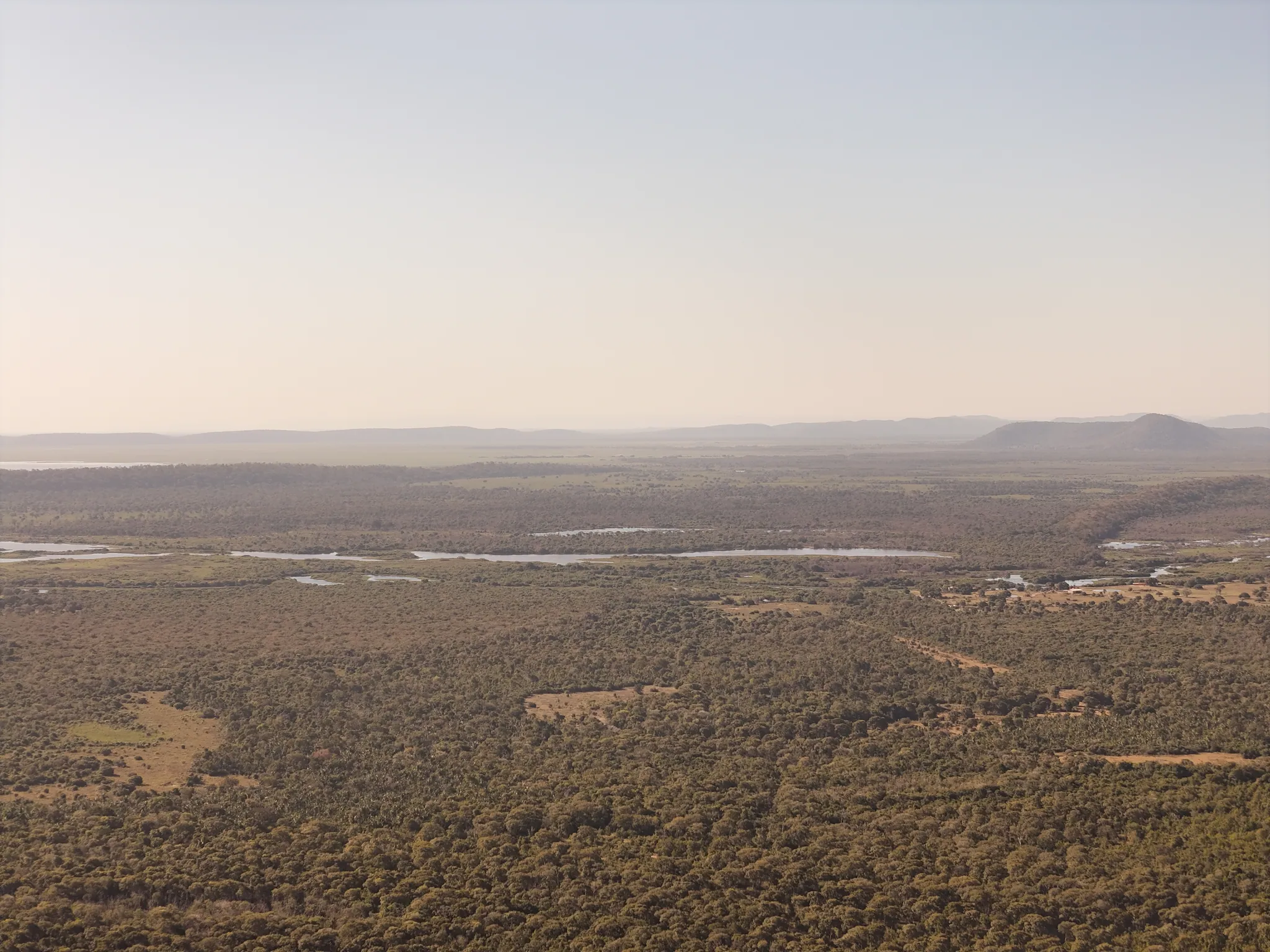
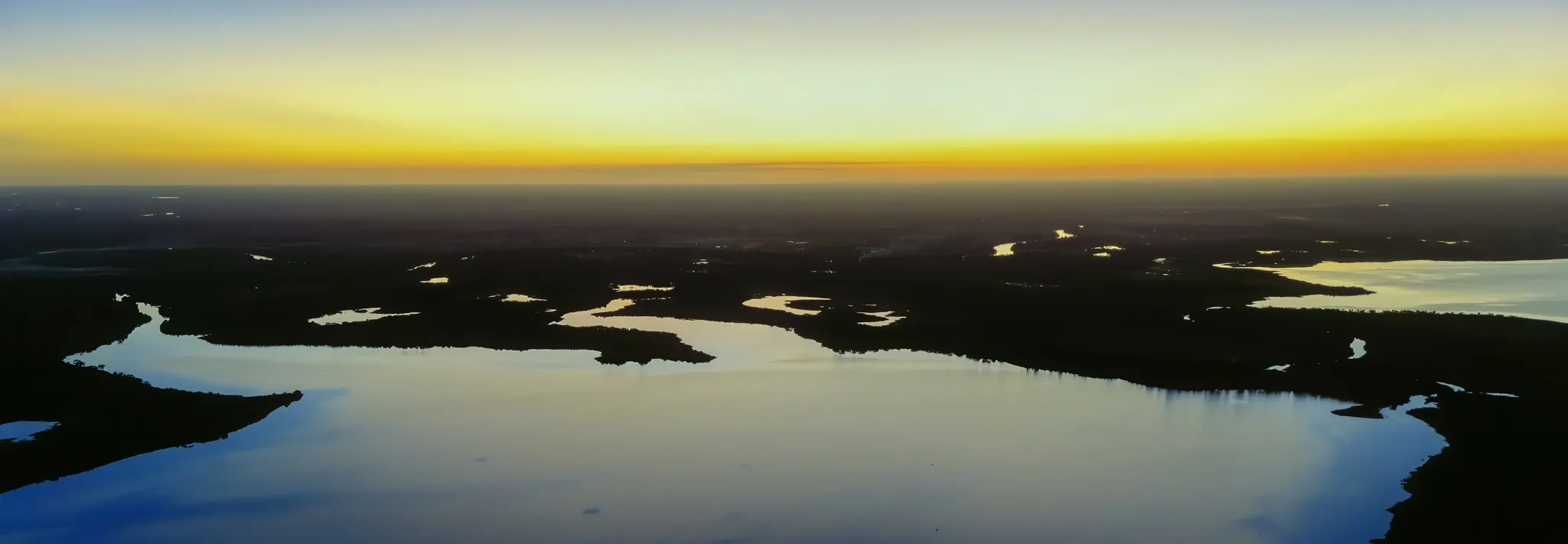
The Pantanal is the world's largest floodplain, recognized by UNESCO as a Natural World Heritage Site and Biosphere Reserve. In the north, in Mato Grosso, rivers flowing down from the highlands fill bays, channels and grasslands every rainy season, sketching, year after year, a landscape that never repeats itself.
It is this pulse of the waters that sustains the most visible wildlife in South America: birds by the thousands, caimans, capybaras and, with luck and patience, rare mammals. On Siá Mariana Bay, all of this unfolds right in front of the veranda.
Pantanal calendar
When to go: the rhythm of the waters
In the Pantanal, water sets the rules. Pick a month and see what nature has in store for you.
January
Rising waters
Summer rains and vivid green
Afternoons bring rain showers and the Pantanal turns green in every direction. The rivers rise day after day and the sky makes for dramatic photos.
- Piracema: river fishing in Mato Grosso suspended until Jan 31
- Stormy skies for photographers
- Pack light clothing and a rain jacket
February
High water
The water reaches the plains
The fields begin to flood and the bay grows. The piracema ends and fishing reopens on Mato Grosso's rivers.
- End of the piracema fishing closure
- Landscapes of sky and water
- Boat trips through flooded areas
Top experiences this month
March
High water
The Pantanal becomes a mirror
Peak high water across much of the Northern Pantanal: Siá Mariana Bay spreads over hundreds of square kilometers, and the boat becomes the way to the lodge.
- Perfect reflections at dawn
- Arrival at the lodge by boat
- Cruising bays and channels (corixos)
Top experiences this month
April
High water
High, still waters
The rains ease and mornings turn cooler. Water still covers the plains, reflecting clear skies.
- End of the rainy season
- Landscape photography
- Sunset boat trips
Top experiences this month
May
Receding waters
The waters begin to recede
The waters begin to drop and fish move from the flooded fields back into the rivers. Days grow milder: a great time for anglers.
- Prime sport fishing (catch and release)
- Mild weather
- Fields reemerging
Top experiences this month
June
Receding waters
Cool, golden mornings
Drier air, pleasant nights and starry skies. Time for bonfires under the moon, as the purple ipê (trumpet tree) begins to bloom across the Pantanal.
- Pleasant nights by the bonfire
- Starry skies
- Purple ipê in bloom
Top experiences this month
July
Receding waters
The birds come closer
With less water, wildlife concentrates around lagoons and riverbanks. July school holidays bring sunny days and cool nights.
- Birdwatching
- Caimans basking in the sun
- Family vacations
Top experiences this month
August
Dry season
Rookery season
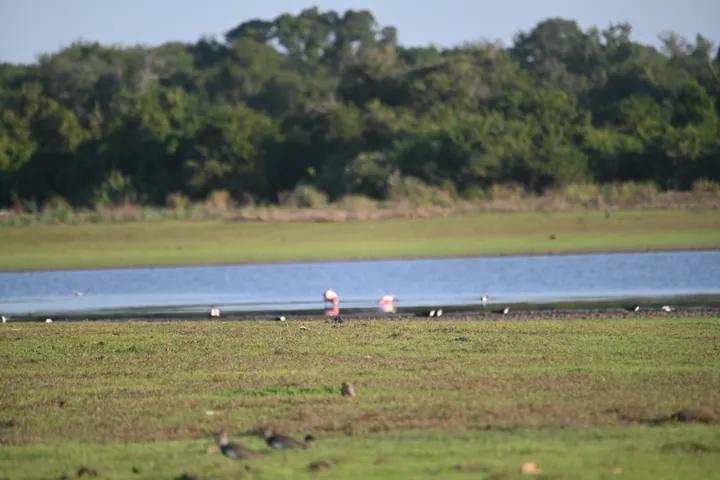
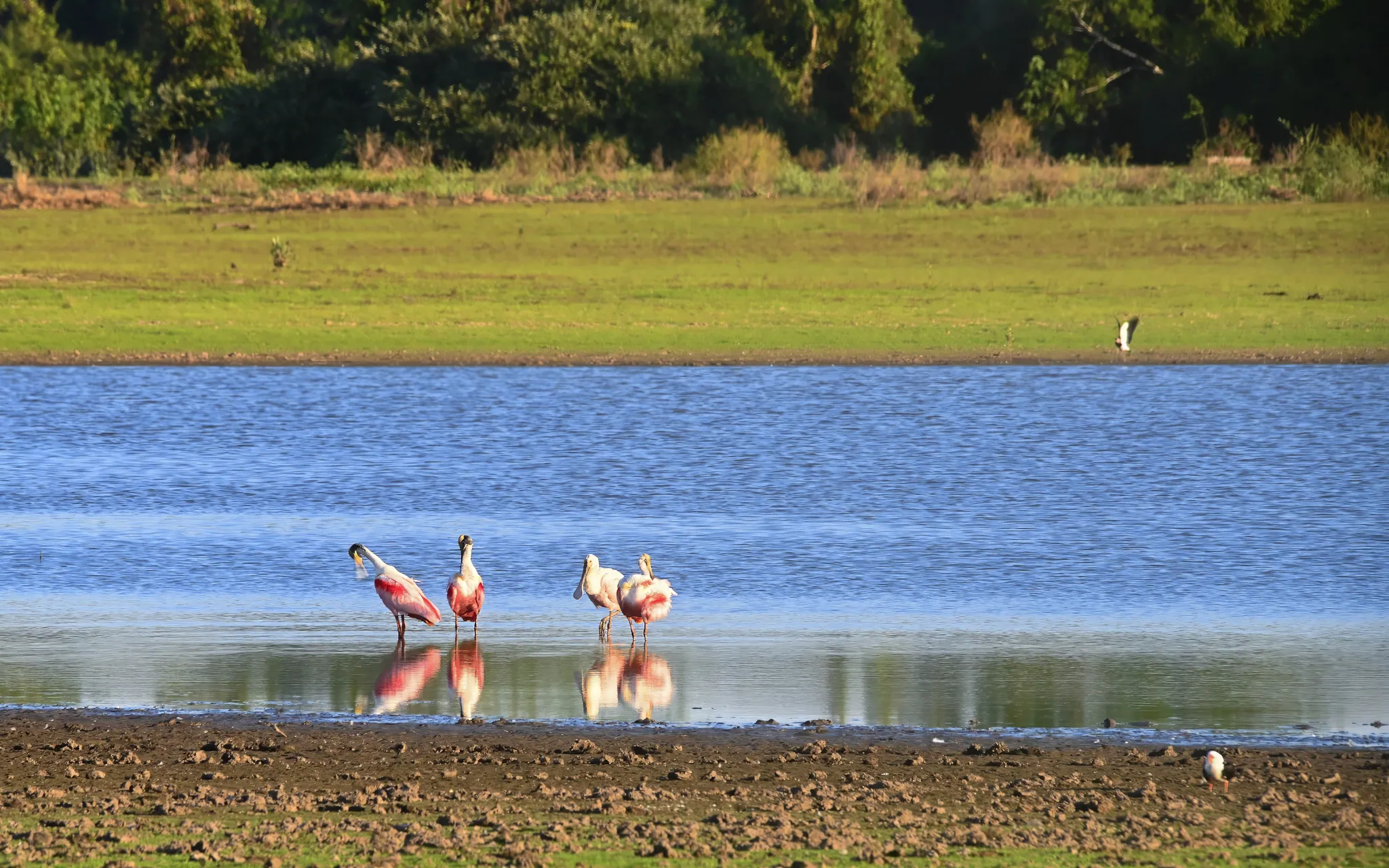
The dry season sets in: herons, roseate spoonbills, wood storks and jabirus gather to fish in the remaining waters and form their nesting colonies. Photographers' favorite month.
- Waterbird nesting colonies
- Yellow ipê in bloom
- Wildlife photography
Top experiences this month
September
Dry season
Wildlife at its peak
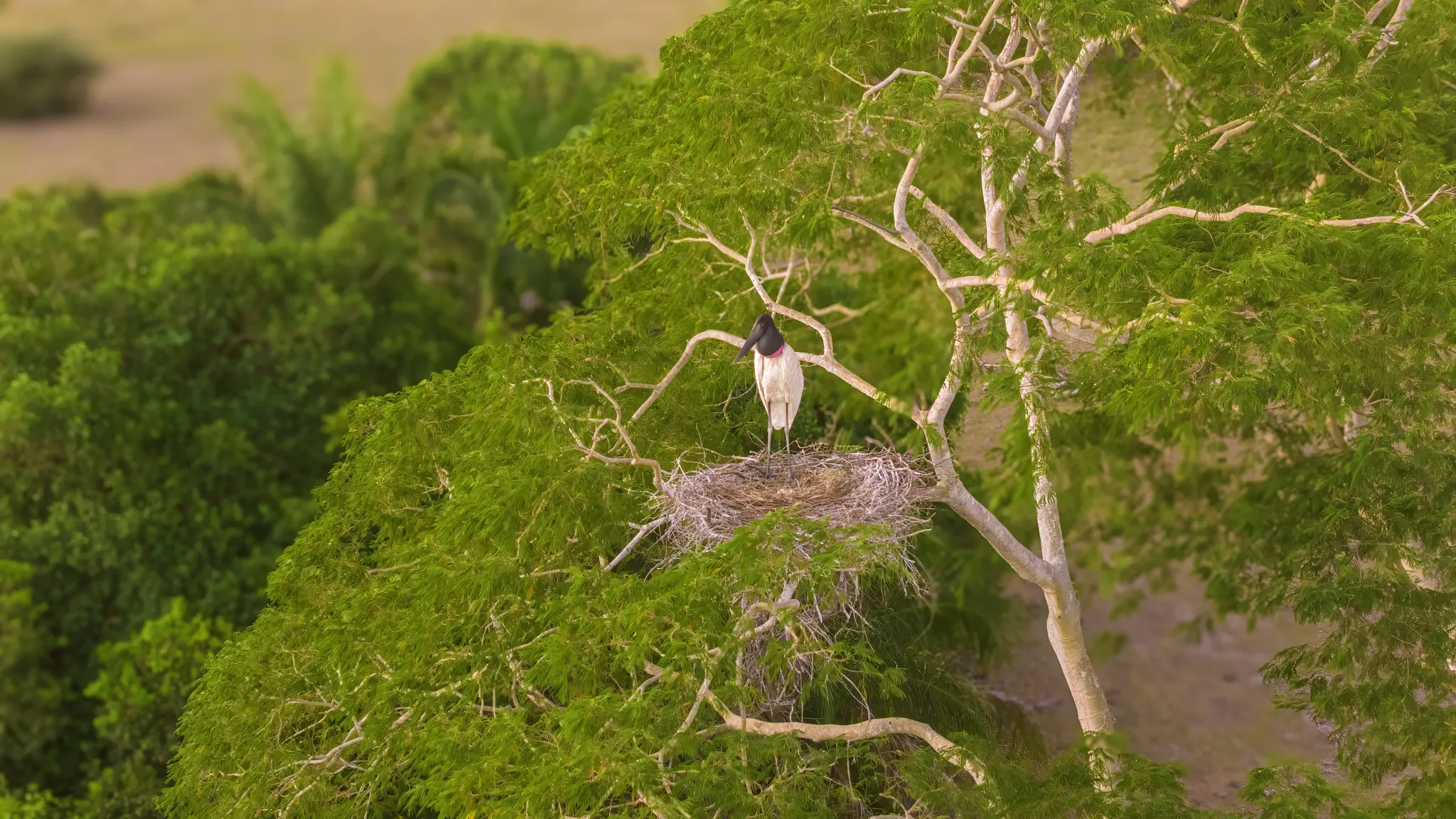
The driest point of the year concentrates wildlife like no other time. Flocks take flight at dusk, and the jabiru, the Pantanal's symbol bird, tends its nest.
- Best time to see wildlife
- Flocks in flight at dusk
- Jabirus on their nests
Top experiences this month
October
Dry season
Heat and the first rains
Hot days and, toward the end of the month, the first rains. On October 1, the piracema fishing closure begins in Mato Grosso: river fishing is suspended until the end of January.
- Still excellent for birding
- Piracema begins (Oct 1)
- Sunsets in vivid colors
Top experiences this month
November
Rising waters
The Pantanal is reborn
The rains settle in and the landscape transforms within days: new shoots, flowers and green once again.
- A renewed landscape
- Long holiday weekends
- Piracema: a time for contemplation
December
Rising waters
The waters rise again
Summer rains fill rivers and bays. Spend the year-end holidays surrounded by nature, with moonlit nights over the water.
- Year-end holidays in the Pantanal
- Summer rains
- Piracema until January 31
-
November to January
Rising waters
The rains return, the rivers rise and the Pantanal turns green again in just a few days. It's the piracema (spawning season): fishing stops and fish swim upriver to breed.
-
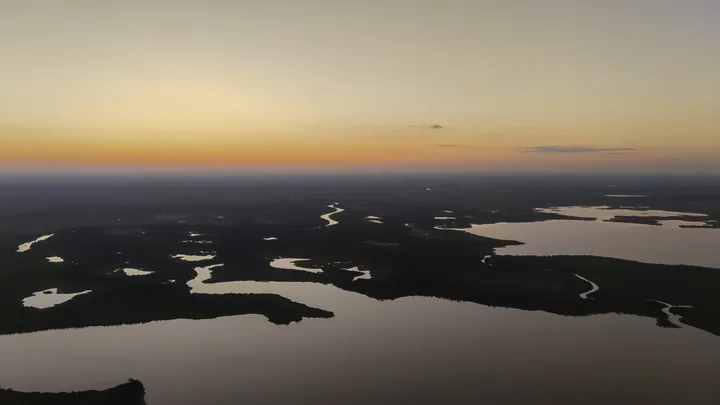
February to April
High water
Water covers the plains and the bay spreads all the way to the horizon. The landscape becomes a mirror, and the final stretch to the lodge is made by boat.
-
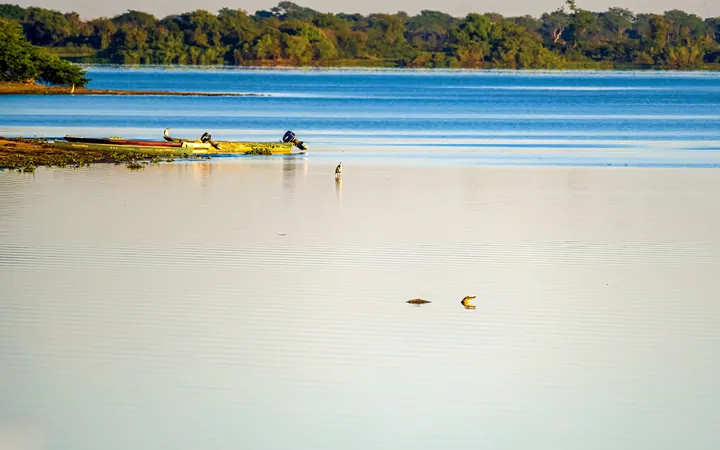
May to July
Receding waters
The waters recede, the fields reappear and fish move back down into the rivers: the best time for sport fishing, with mild days.
-
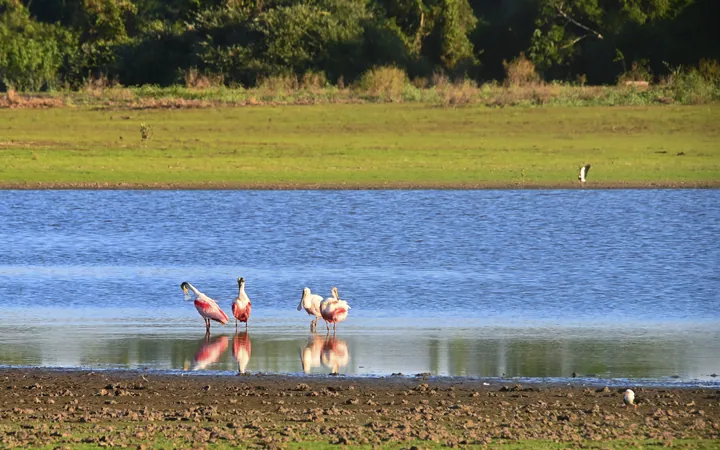
August to October
Dry season
Wildlife gathers around the remaining water: the easiest time to see birds, caimans and nesting colonies, with clear skies and vivid sunsets.
Seasons are approximate and vary from year to year: in the Pantanal, the rhythm of the waters and the rains has the final say. Fishing regulations: Sema-MT.
Birds of the Pantanal
Who you might spot around here
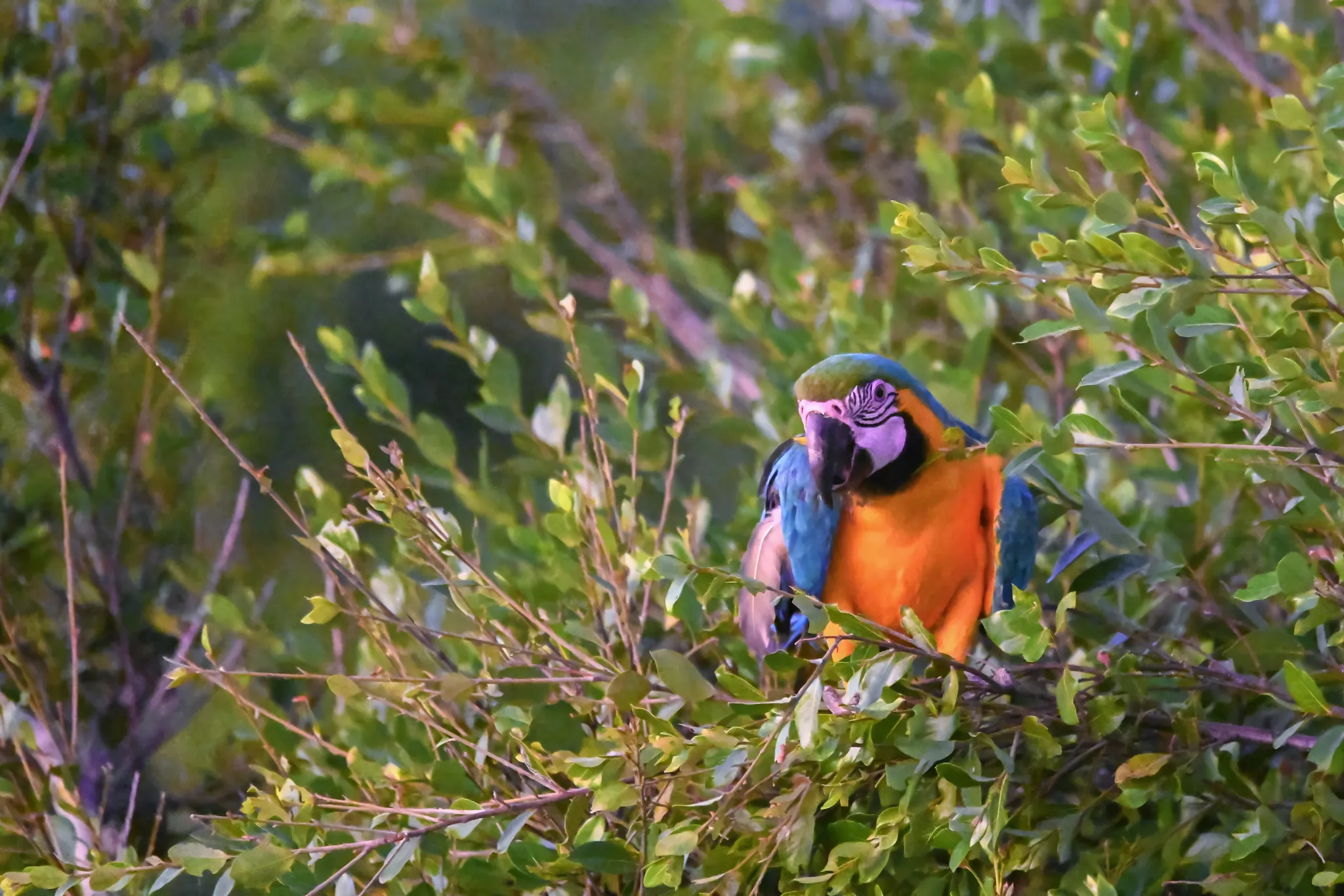
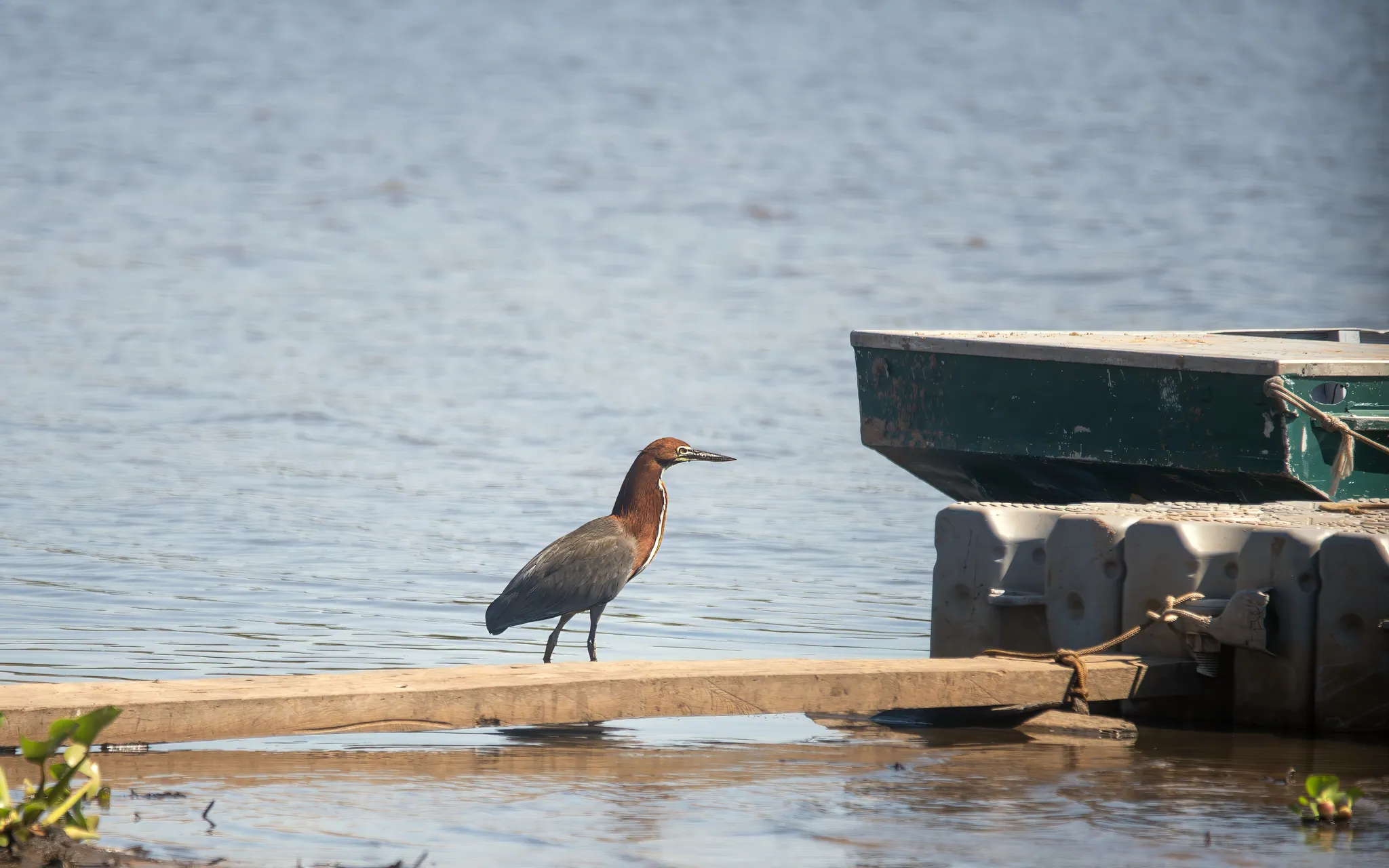
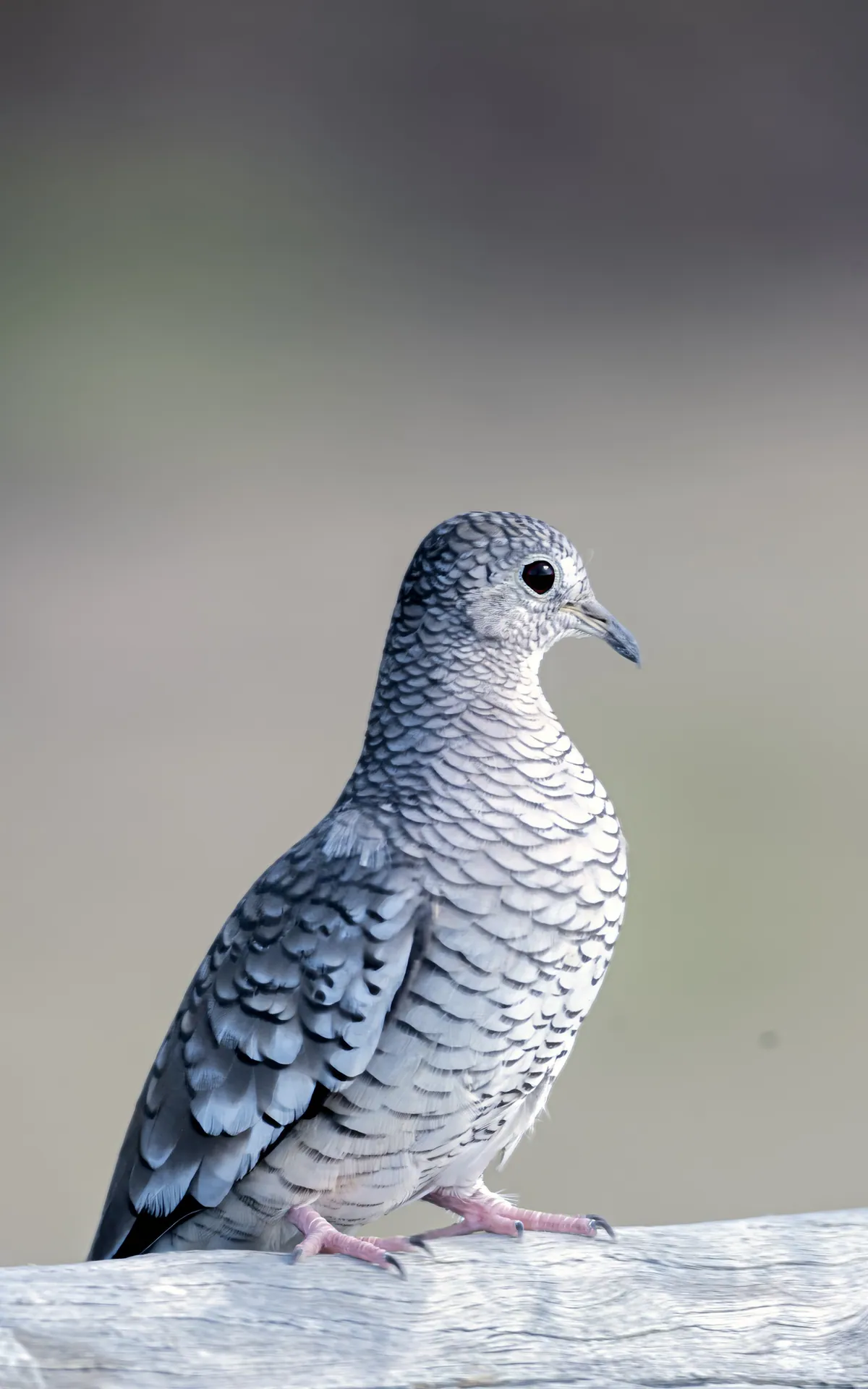
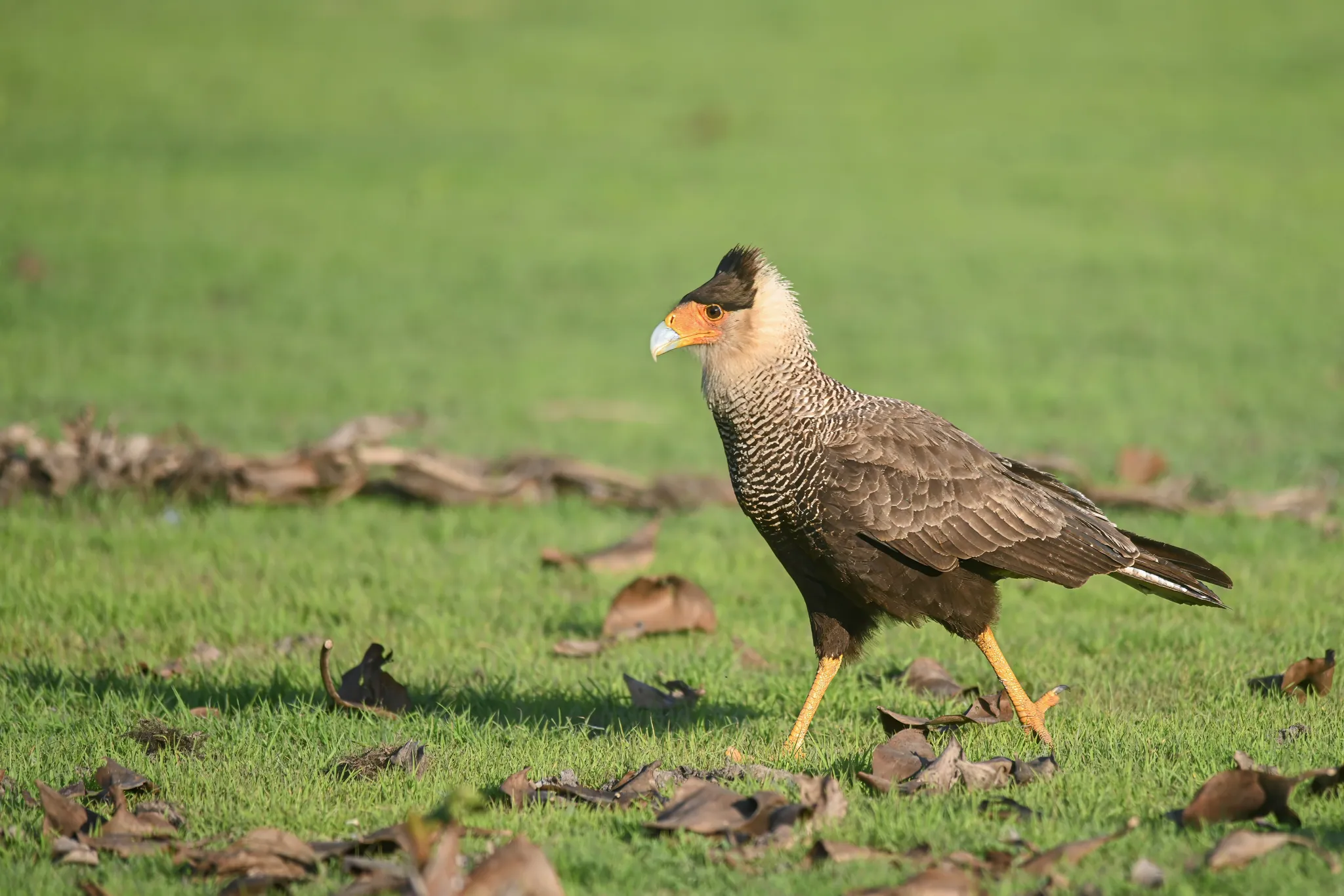
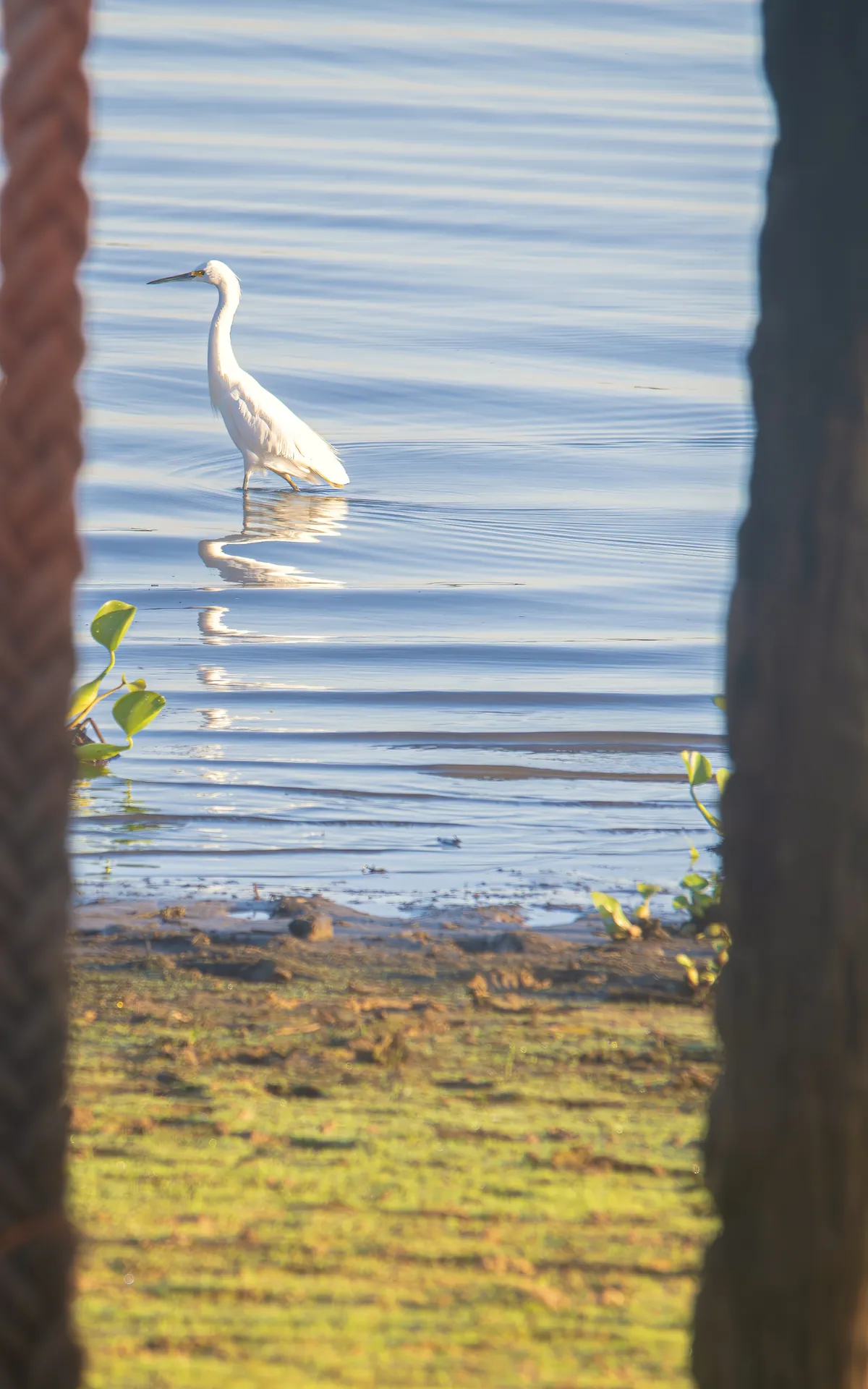
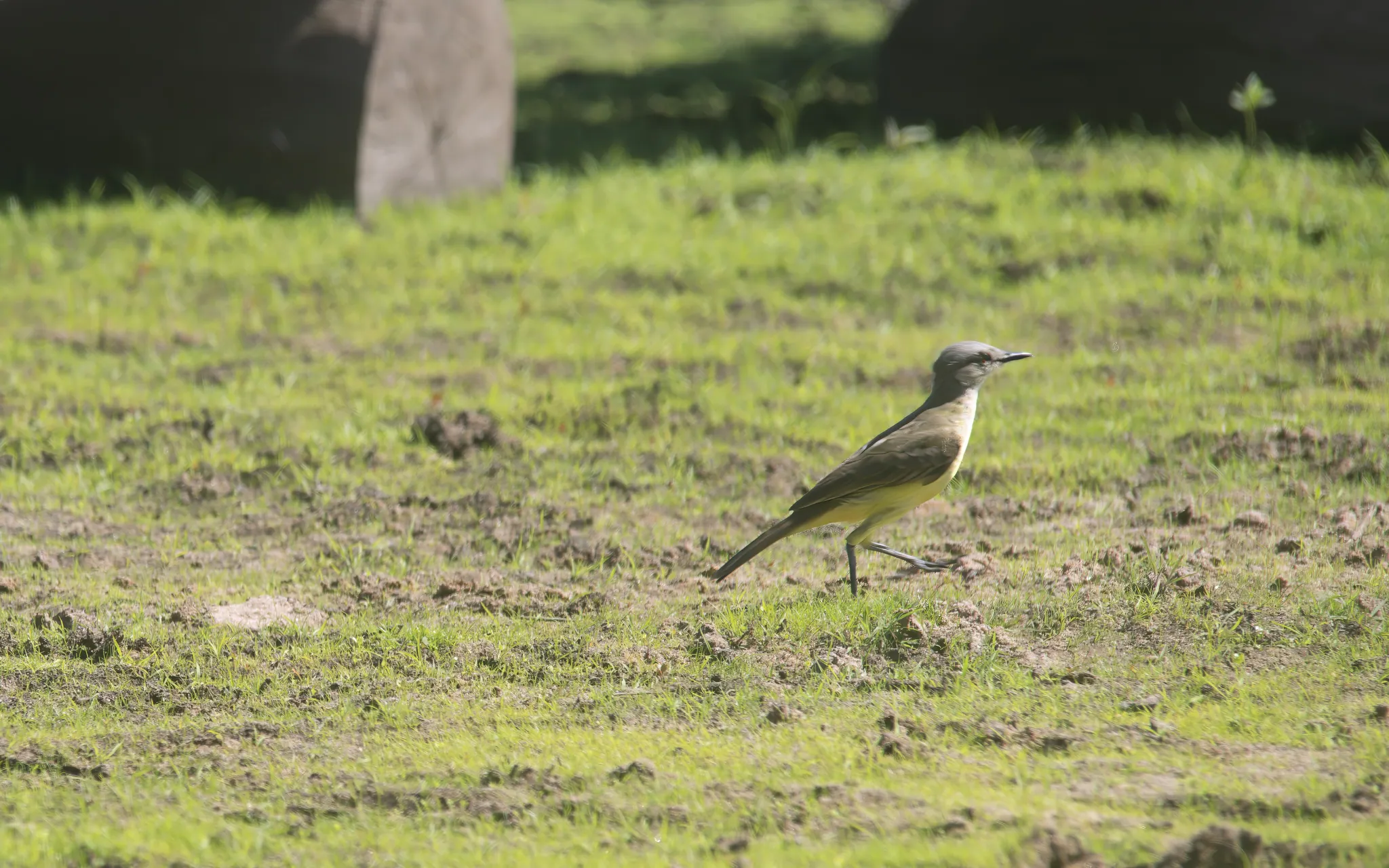
Some of the birds photographed at Siá Mariana. Bring your binoculars: the list grows with every stay.
-
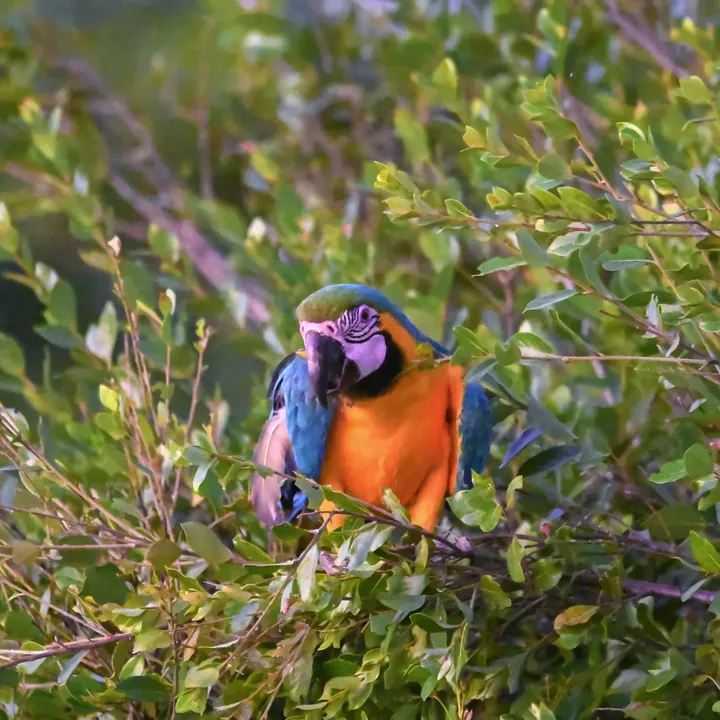
Blue-and-yellow macaw among the branches -
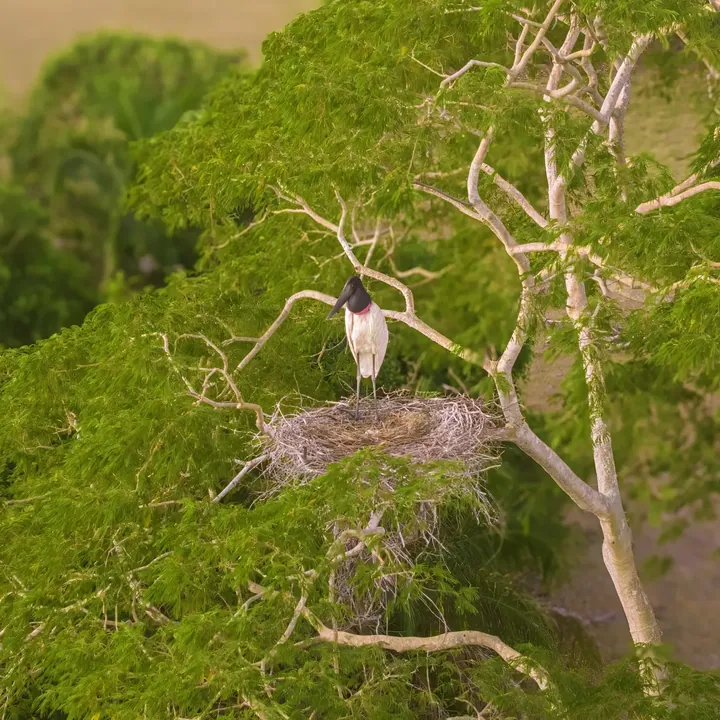
Jabiru on the nest -
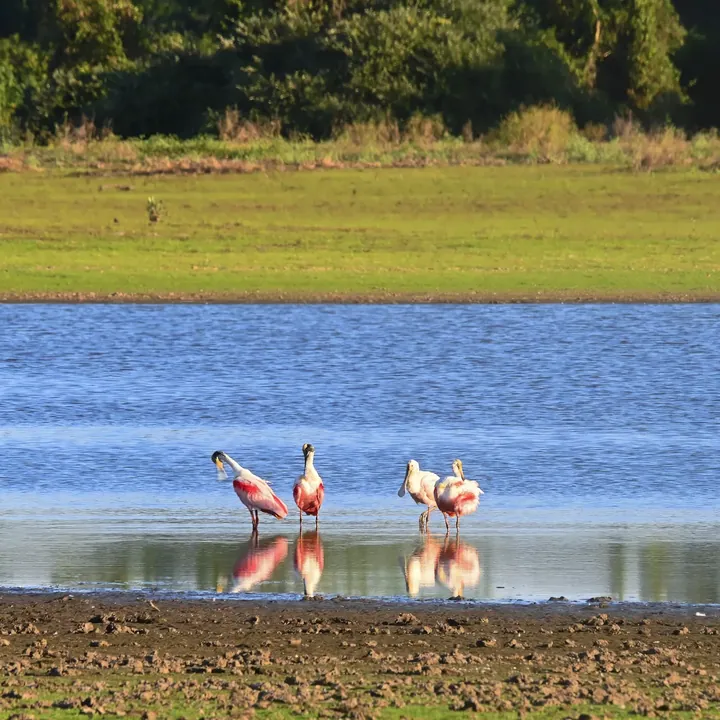
Roseate spoonbills in the lagoon -
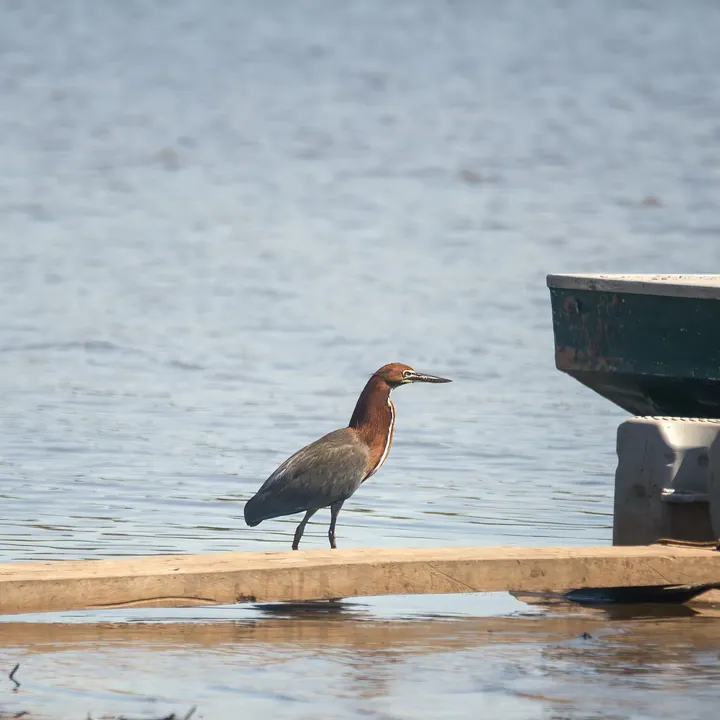
Rufescent tiger-heron on the lookout -
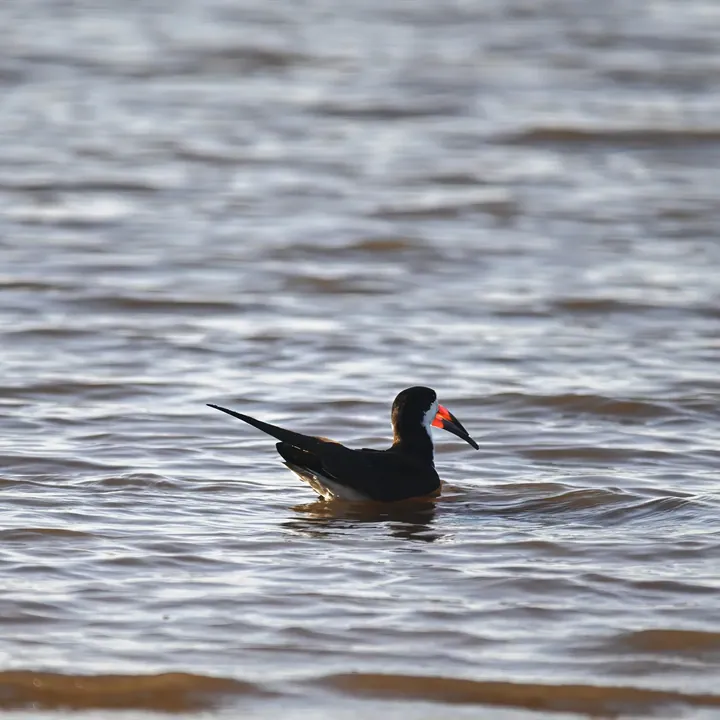
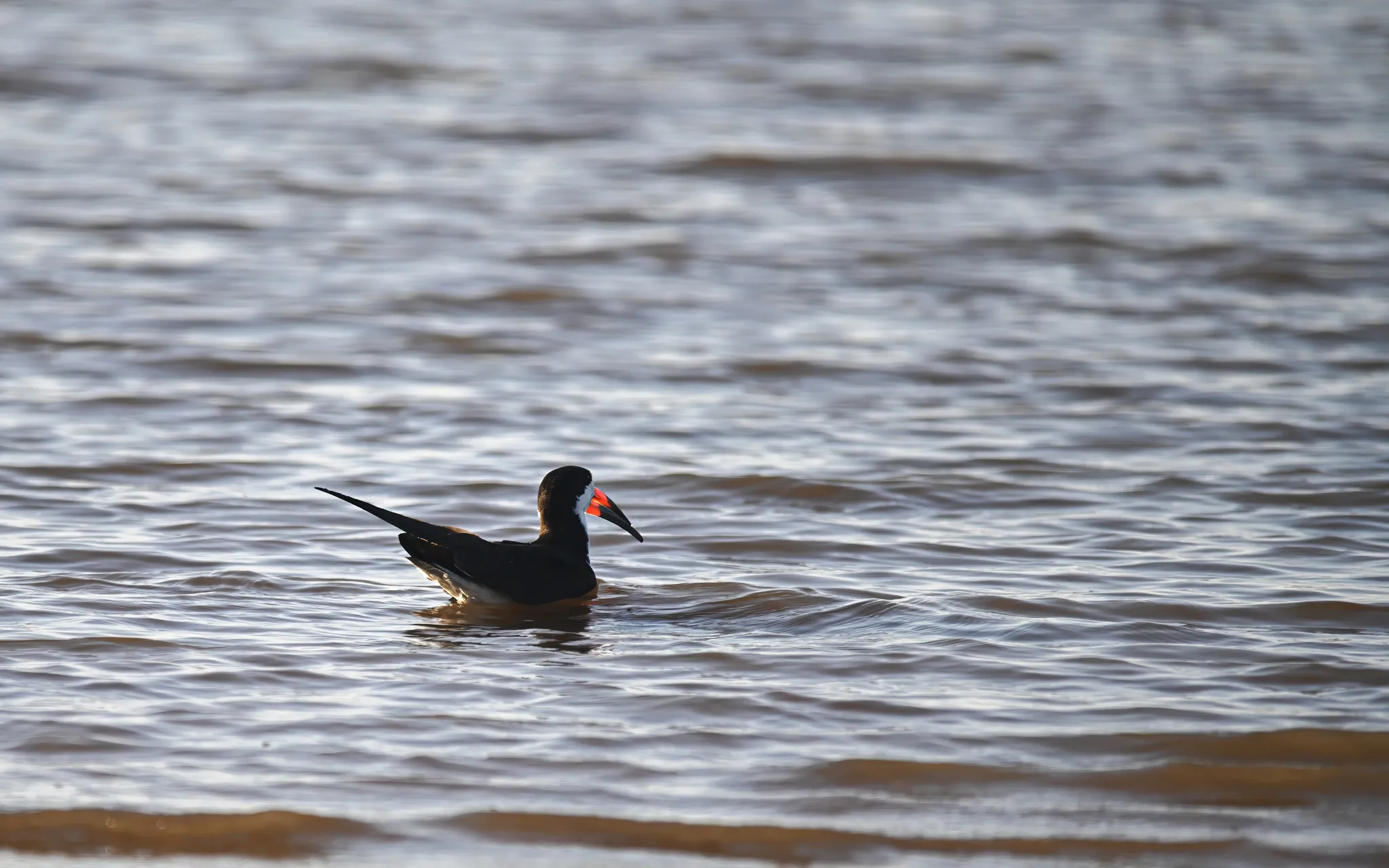
Black skimmer on the bay -
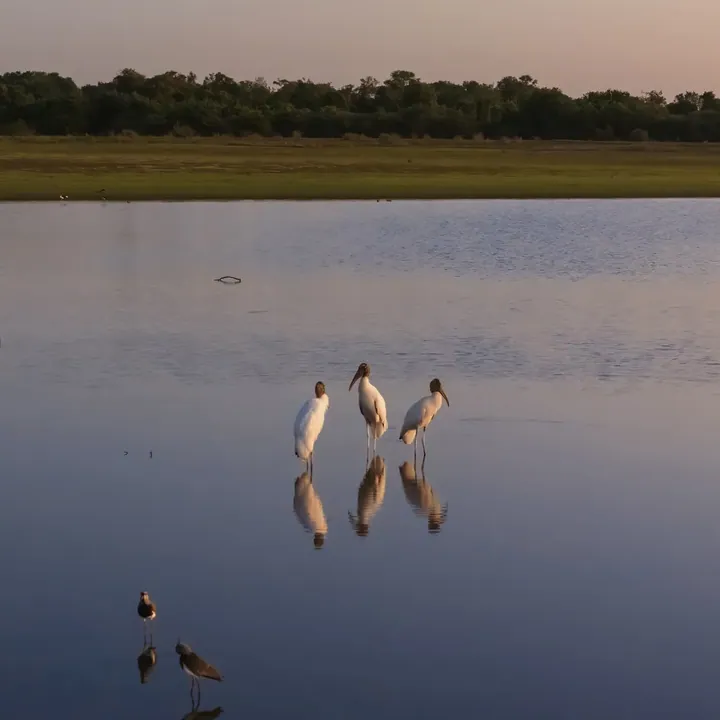
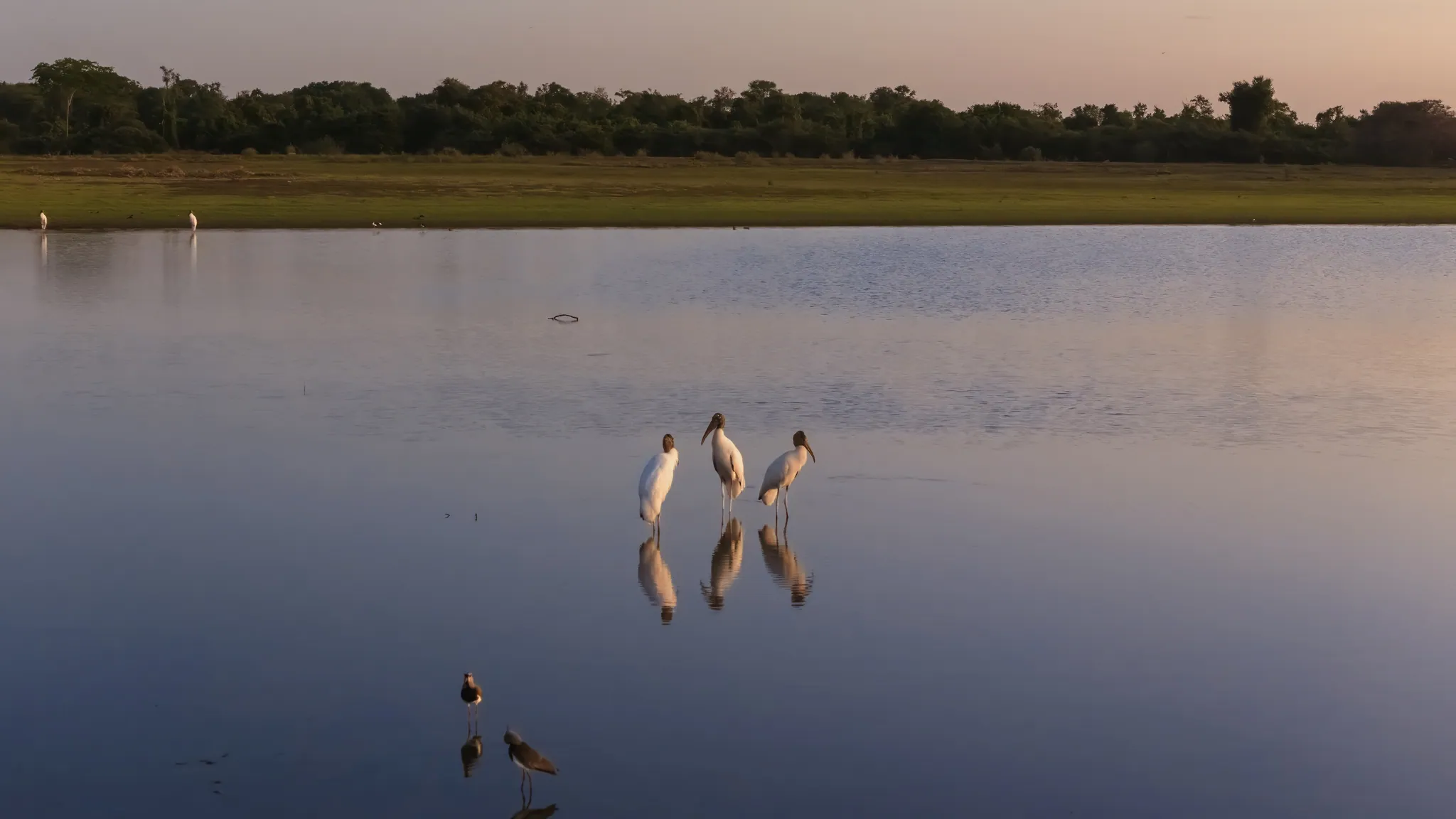
Wood storks at dawn -
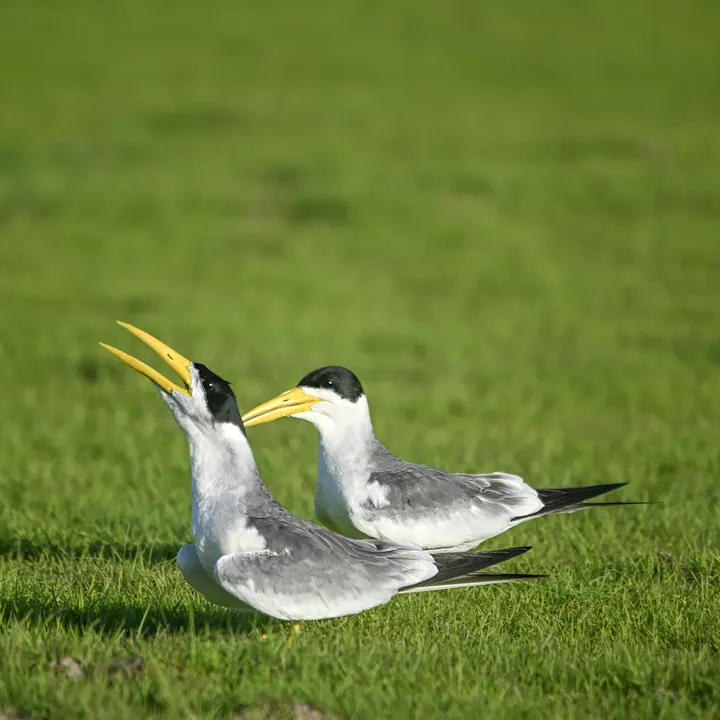
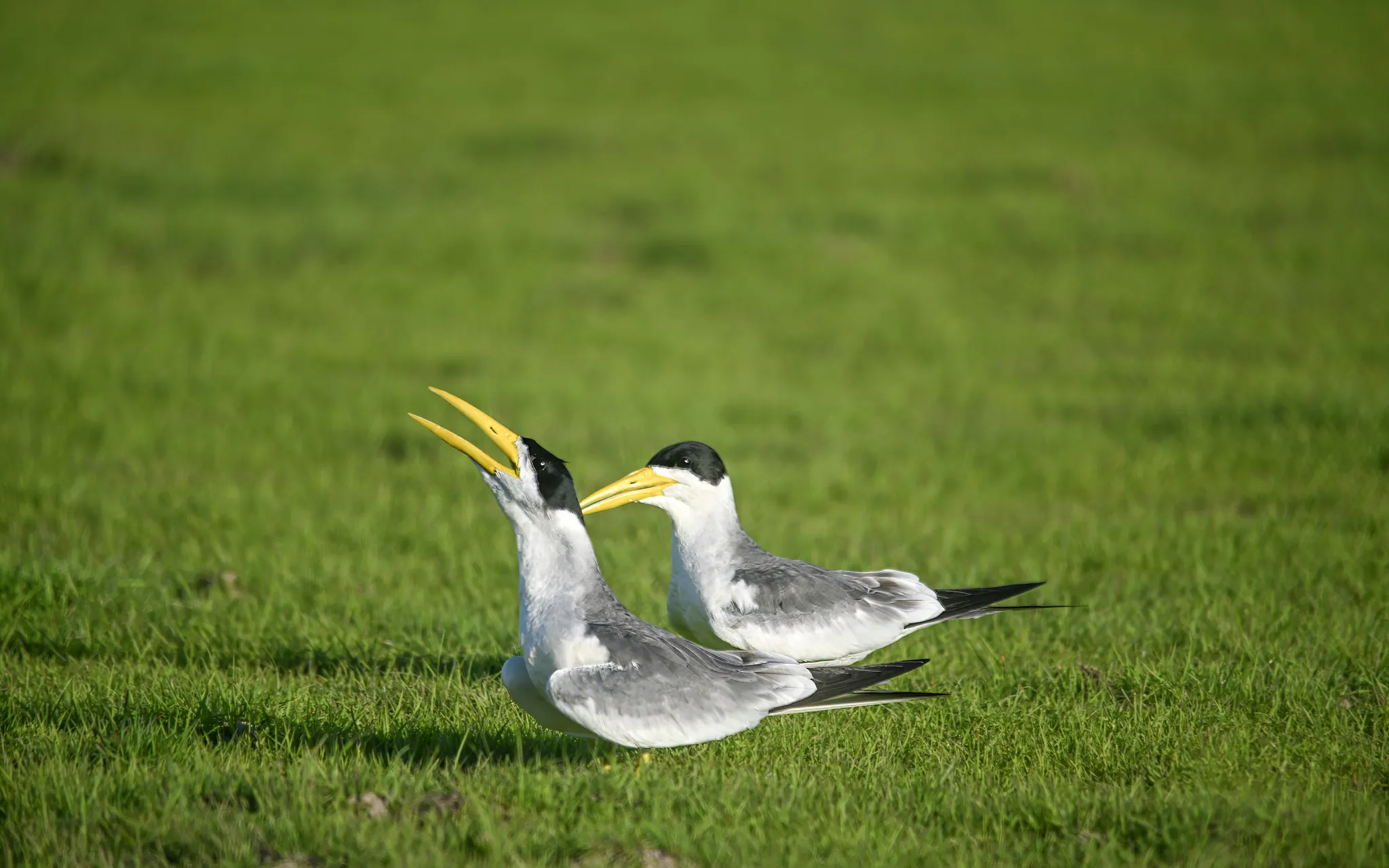
Large-billed tern duet -
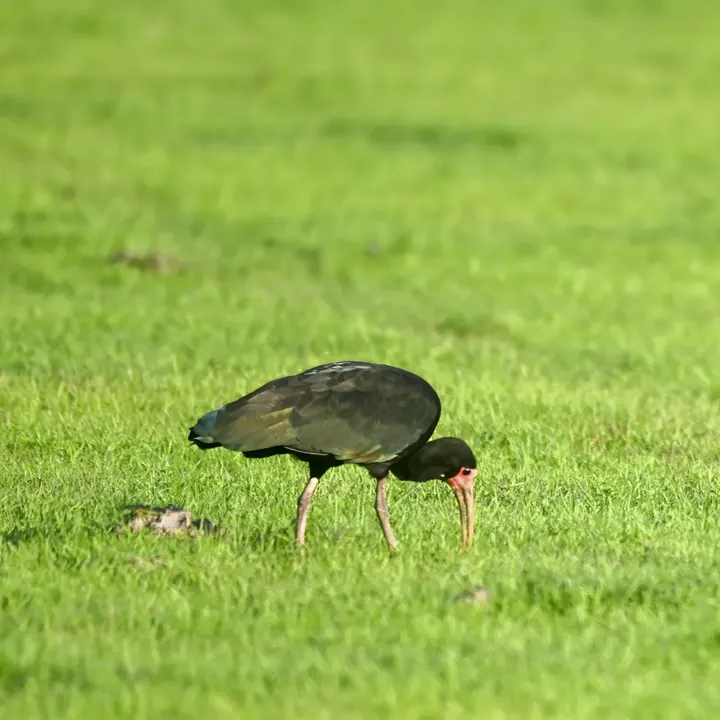
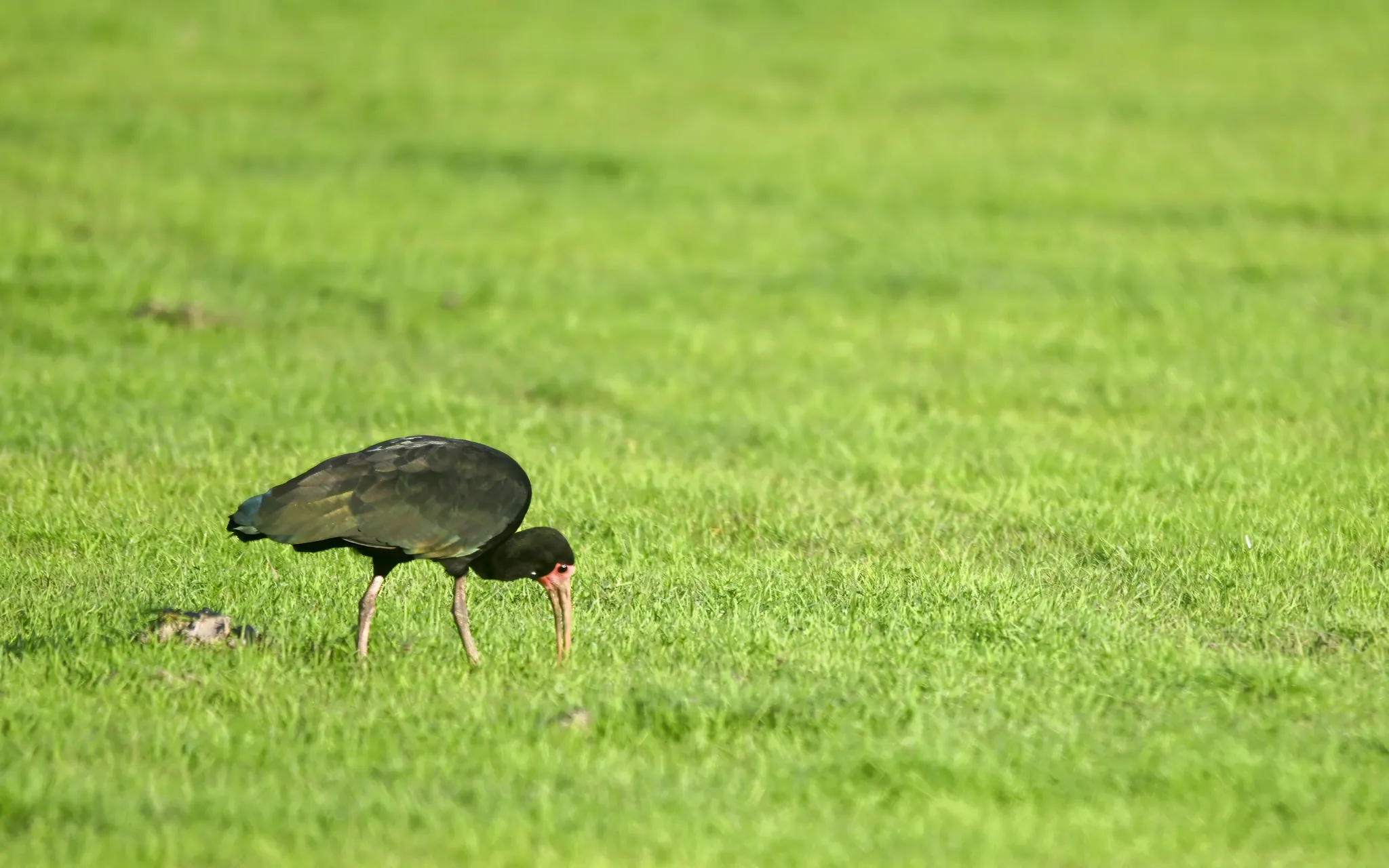
Bare-faced ibis foraging on the lawn -
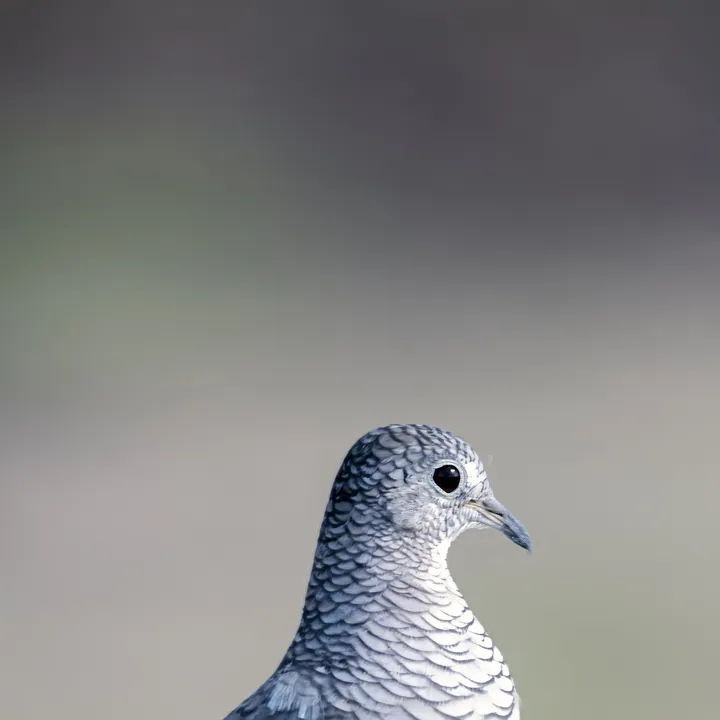
Scaled dove on a fence post -
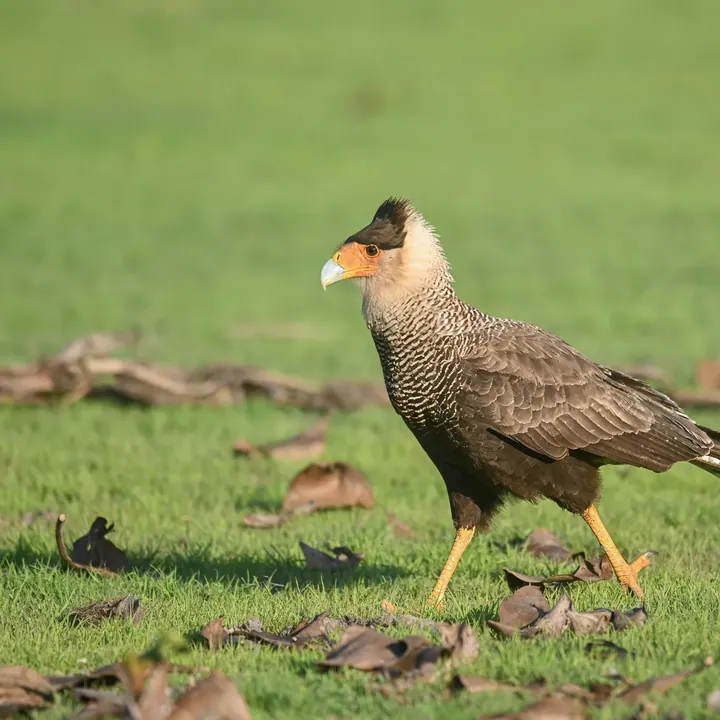
Southern crested caracara on the lawn -
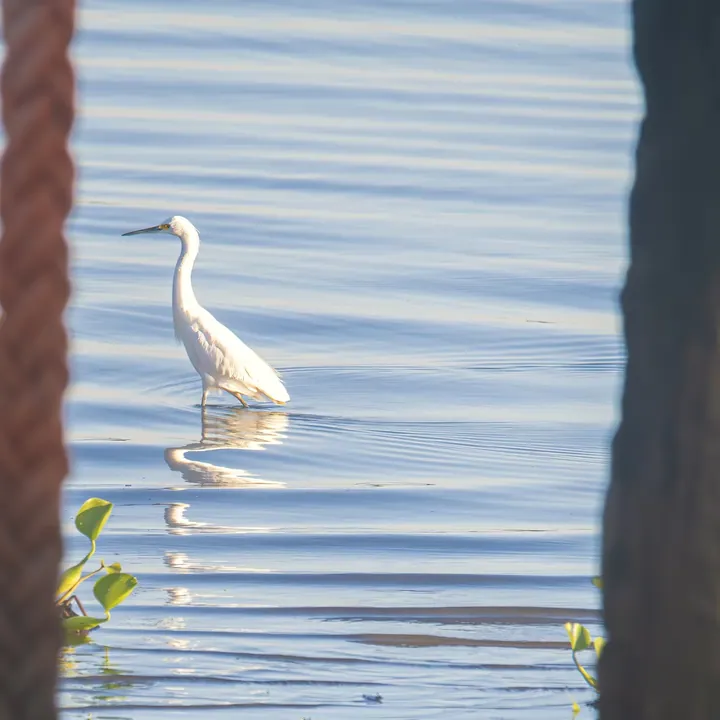
Egret between the fence posts -
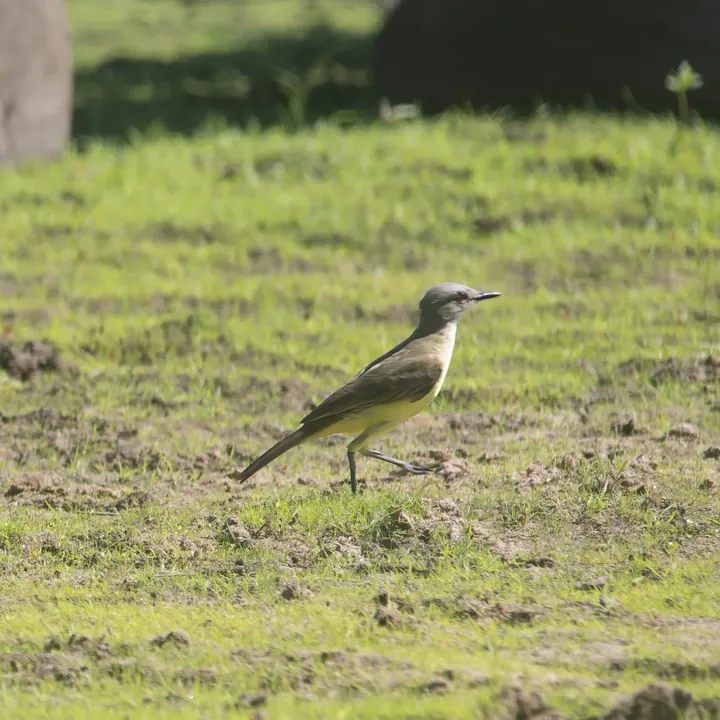
Cattle tyrant on the ground -
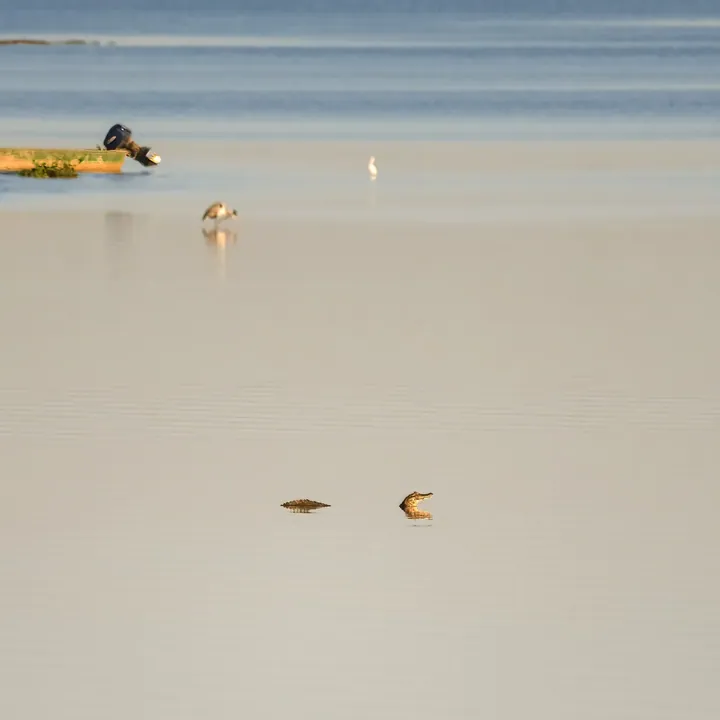
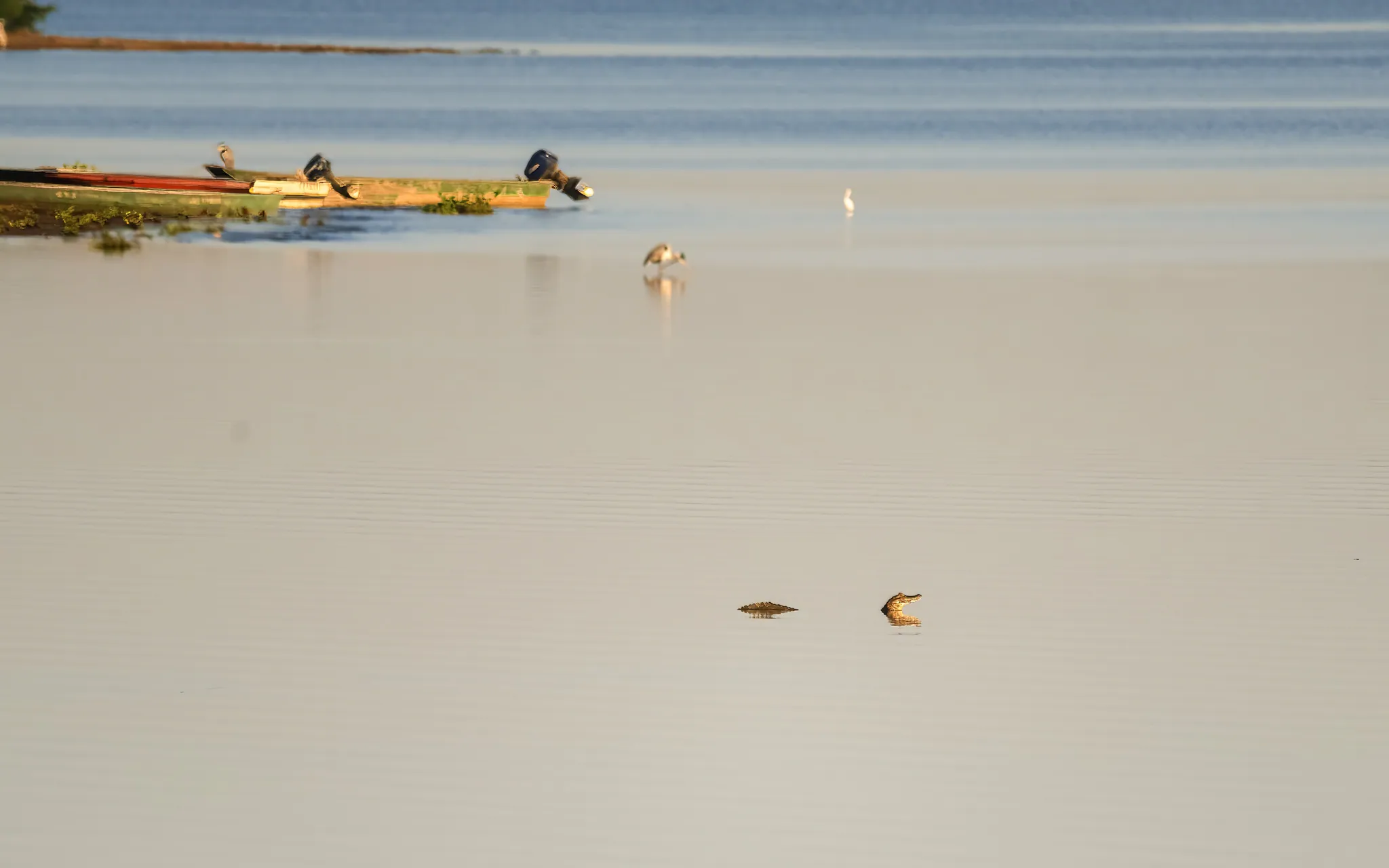
Caiman in the bay
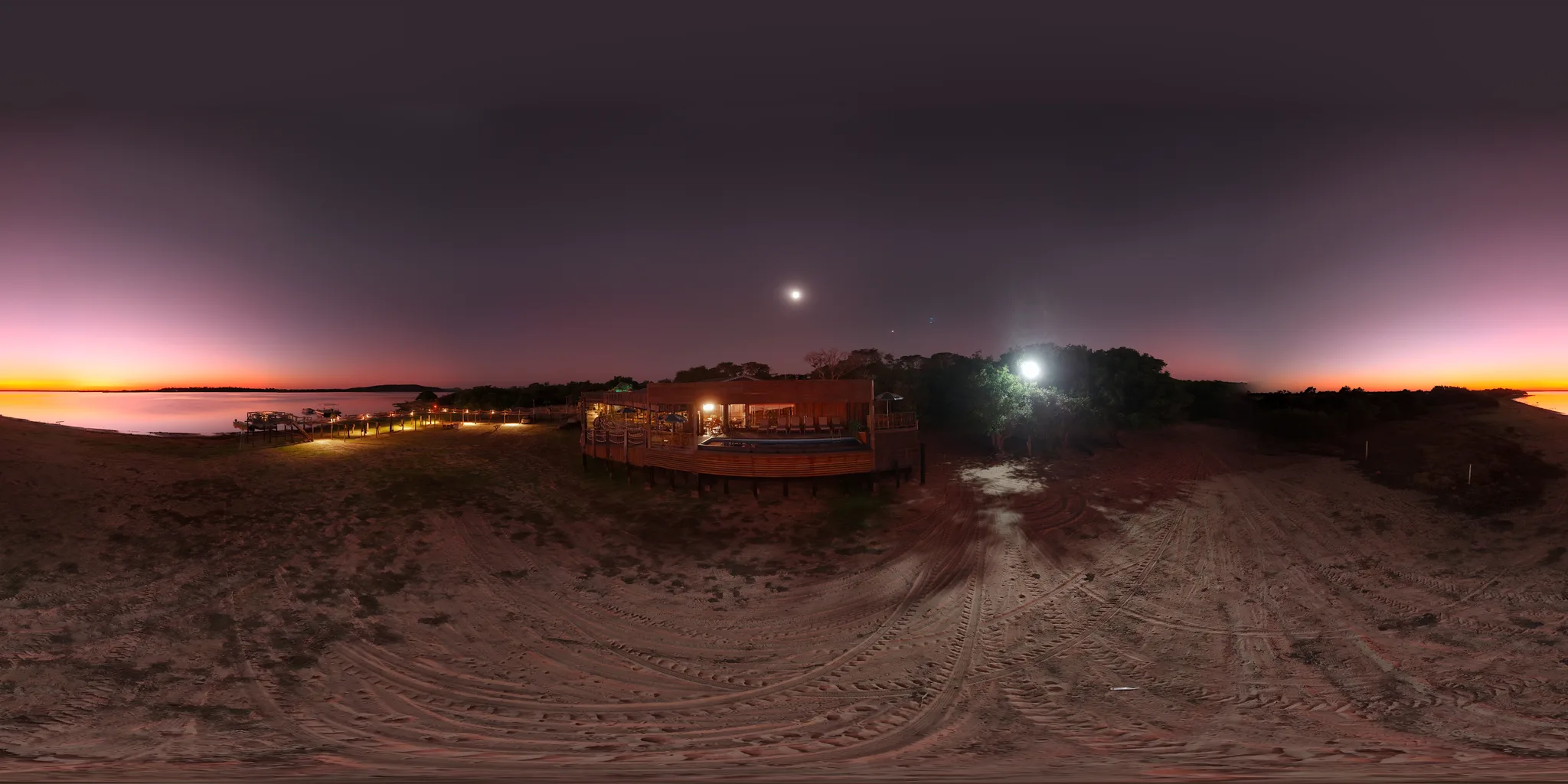
360° virtual tour
Fly over Siá Mariana Bay
Drag to look around: the lodge, the stilt buildings, the pier, and the bay stretching to the horizon. Use the buttons to switch views.
Getting here
Getting here is part of the journey
Cuiabá is the gateway. Once you've booked, our team will send you a detailed itinerary and the boat schedule.
Estrada Baía de Siá Mariana, s/n, Joselândia, Baía de Siá Mariana, Barão de Melgaço – MT, 78190-000
-
Fly to Cuiabá
Land at Marechal Rondon International Airport in Várzea Grande, served by direct flights from Brazil's main state capitals.
-
By road to the support base
By car or with our transfer (a separate service, available on request), continue to the lodge's support base, 15 minutes from Mimoso, which has parking and internet.
-
By boat to the lodge
During the high-water season, access is by boat only: about 20 minutes across the bay from our marina to the lodge. Departure times are provided before your trip.
-
Air transfer
You can also arrive by air, through a third-party service at an additional cost, arranged in advance.
In the dry season, part of the journey can be made by road; our team will let you know the best option for your dates.
In your bag
What to pack for the Pantanal
A short, spot-on list to enjoy every outing in comfort, any time of year.
- Insect repellent Ideally with icaridin; reapply at dusk.
- Sunscreen and hat The Pantanal sun is strong year-round.
- Lightweight long-sleeved clothing In neutral tones (beige, green, khaki): they protect against insects and won't scare off wildlife.
- Sneakers and sandals Sneakers for walking and sandals for the boat and the pool.
- Binoculars For the birds that like to keep their distance.
- Camera with a zoom lens And a spare battery: every sunrise calls for a photo.
- Sunglasses Polarized lenses help you see beneath the surface.
- Lightweight rain jacket Rain showers are common between November and March.
- Reusable bottle Stay hydrated on the boat, without single-use plastic.
- Dry bag For your phone and camera on boat trips.
- Photo ID ID card (RG), driver's license (CNH) or passport: required at check-in.
Reservations
Choose your Pantanal season
Choose your dates and number of guests to see availability and rates.
Full board included · two-night minimum
News and packages
Be the first to hear about the Pantanal's best windows
Special packages, dates for the great bird flights and nesting colonies, holidays and lodge news, sent to your WhatsApp or email. Just a few messages, only what's worth the trip, and you can unsubscribe anytime.